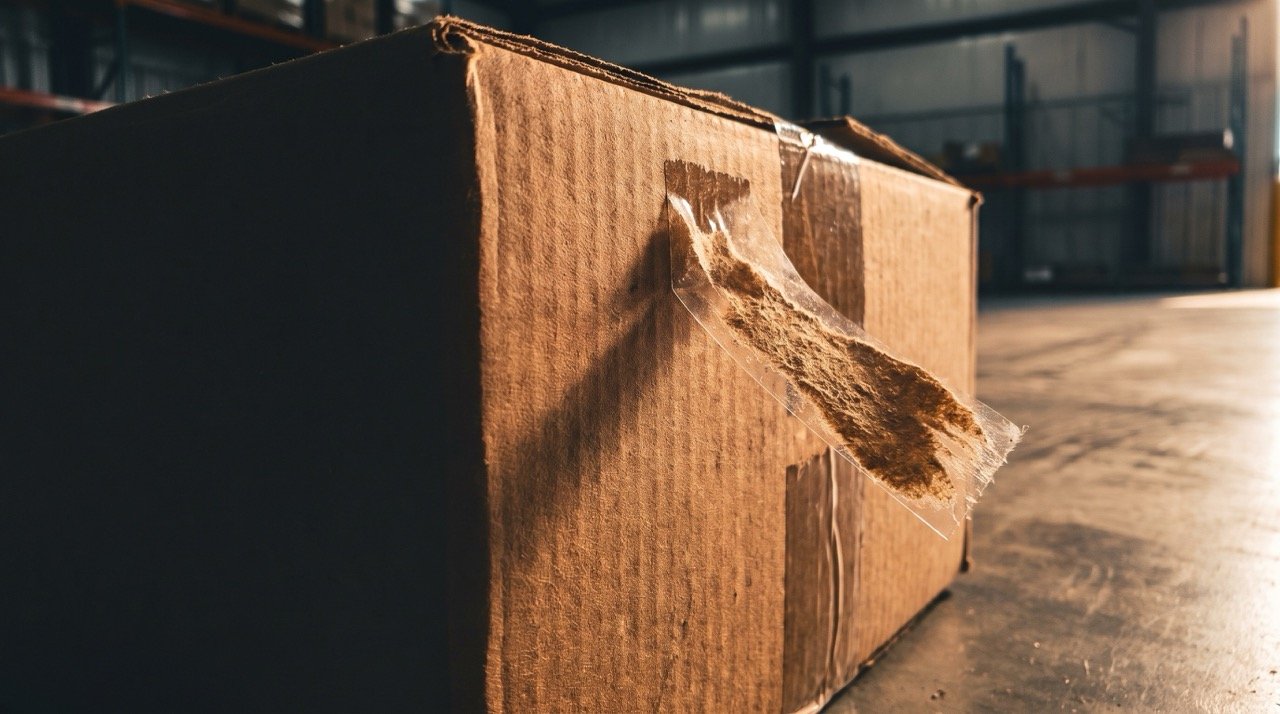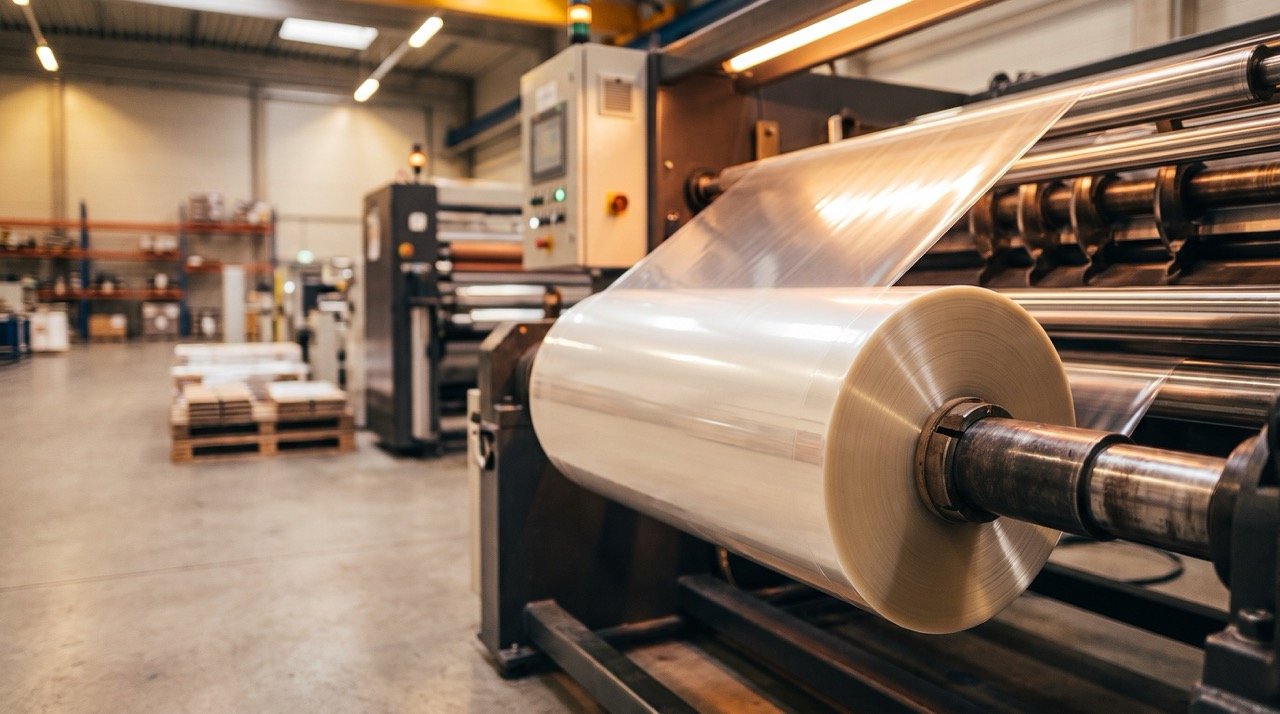
The move from solvent to water-based adhesive systems is often presented as a purely environmental decision. It is also a manufacturing, safety and regulatory decision, and the technical gap that once justified solvent systems has narrowed to a small set of specialist applications.
What the two systems actually are
In a solvent system, the adhesive polymer is dissolved in an organic solvent, coated onto the film, and the solvent is driven off in a drying oven and either recovered or incinerated. In a water-based system, the polymer is dispersed in water and the water is evaporated instead.
The difference in what leaves the oven is the whole argument. One releases volatile organic compounds that must be captured, treated or emitted. The other releases water vapour.
Bond performance in practice
For carton sealing, bundling, labelling and general packaging, modern water-based acrylics match solvent systems on initial tack, peel adhesion and shear holding power. They also age better: acrylic chemistry resists yellowing and stays flexible over time, where some rubber-based solvent systems harden and discolour.
Solvent systems retain a genuine advantage at very low application temperatures, on difficult low-energy plastics, and where instant ultimate strength is required with no time to build. Those are real cases - they are simply not most cases.
The safety difference inside the plant
Solvent coating means flammable liquid storage, explosion-rated electrical zones, vapour monitoring, and workers exposed to a solvent atmosphere for a full shift. All of it is manageable with the right engineering, and all of it is a permanent operating burden.
Water-based coating removes the flammability hazard from the coating hall entirely. That is a smaller reduction in risk than it sounds on a good day, and a much larger one on a bad day.
Regulatory direction of travel
VOC limits have tightened steadily across every major manufacturing region and have never loosened. Multinational buyers increasingly ask about adhesive chemistry during supplier audits, and packaging specifications now routinely name water-based systems.
A converter still tied to solvent chemistry carries a compliance risk that grows over time. Choosing water-based today removes a future qualification problem, not just a current one.
Cost, once the whole system is counted
Water has a higher latent heat of vaporisation than most solvents, so water-based coating uses more drying energy per square metre. Against that sit the costs that solvent systems carry and water-based systems do not: solvent purchase, recovery or abatement plant, emissions monitoring, hazardous storage and the insurance premium that comes with it.
Across a full production year, the total cost of the two systems is far closer than the energy line alone suggests - and only one of them gets harder to defend each year.
Questions We Are Asked About This
Water-based acrylic is our default across the BOPP range. Solvent-based options are available for double-sided tissue tape where the application genuinely requires it.
It will, provided the coat weight is specified for cold application. Tell us the temperature at the point of application and we will select accordingly.
BOPP tape is separated during pulping in most recycling streams. Water-based adhesive avoids introducing solvent residues into that stream.